Why Spool?

Design is intrinsically tied to technological development.


AI is moving beyond a tool we visit on a screen and into the fabric of daily life. I want to participate in shaping that transition while its conventions are still being formed.

Rather than viewing AI as incompatible with design, I see design as essential to making emerging technologies understandable, emotionally intelligent, and human. Designers do not protect the value of design by remaining strangers to AI. We strengthen it by engaging deeply enough to influence how these systems behave, communicate, and feel.

Spool interests me because it offers the opportunity to take part in that becoming rather than observe it from a distance.


How I Think

Beyond individual screens and objects

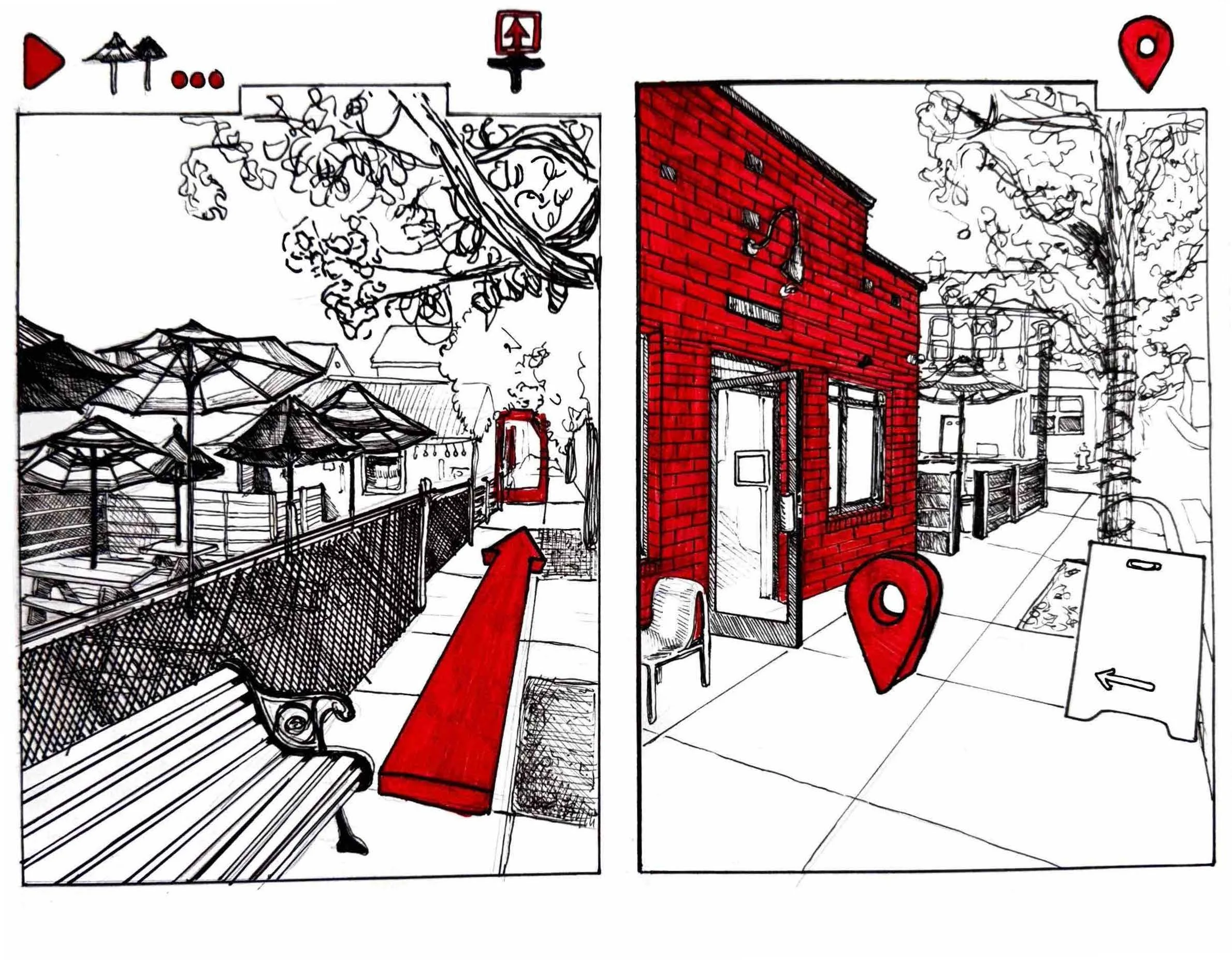
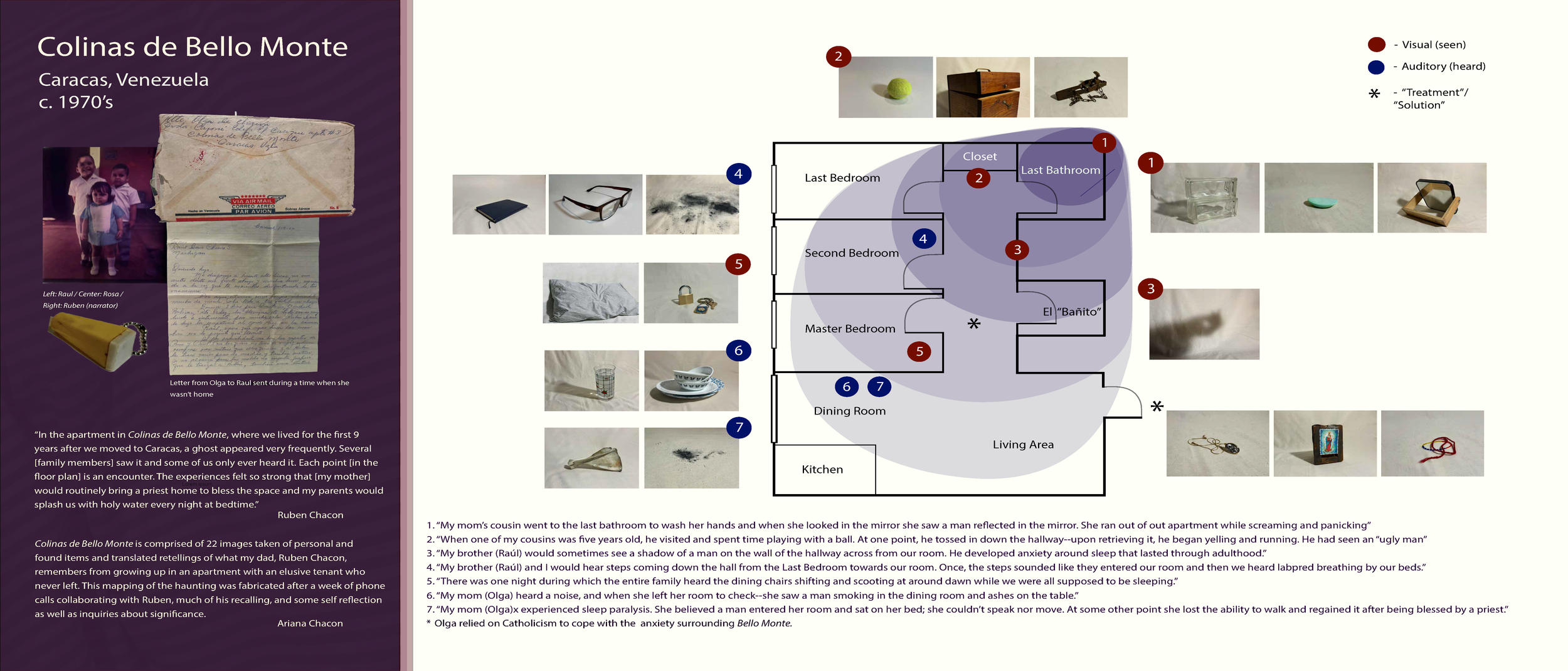
My industrial design background has taught me to consider an experience as a sequence rather than a single outcome.

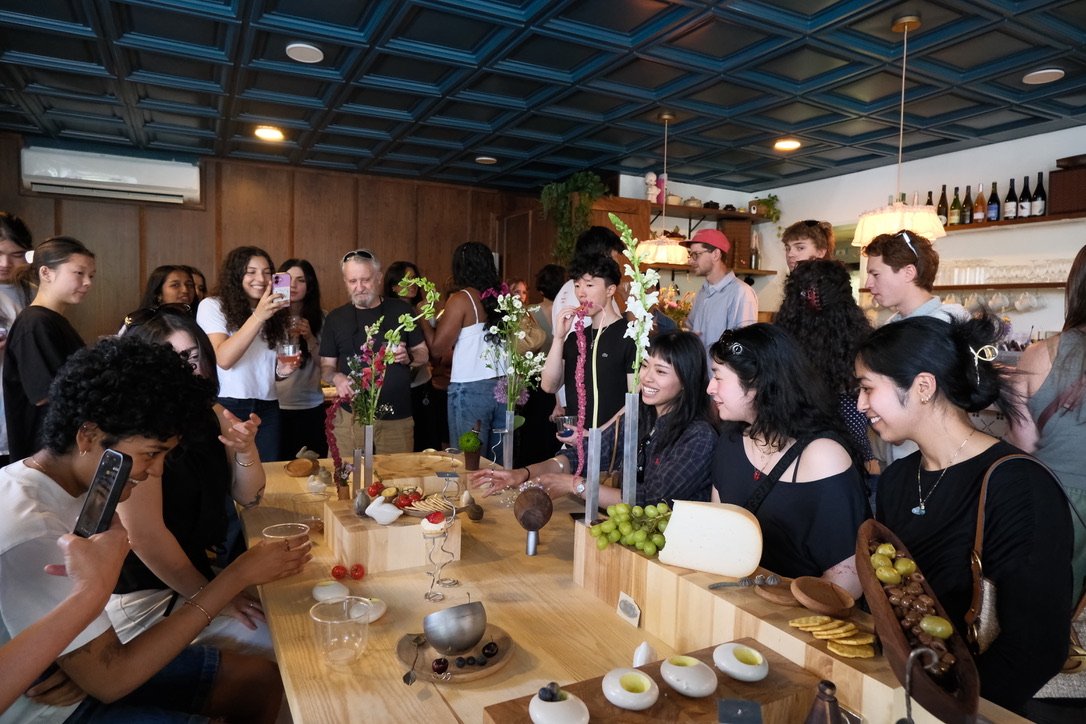
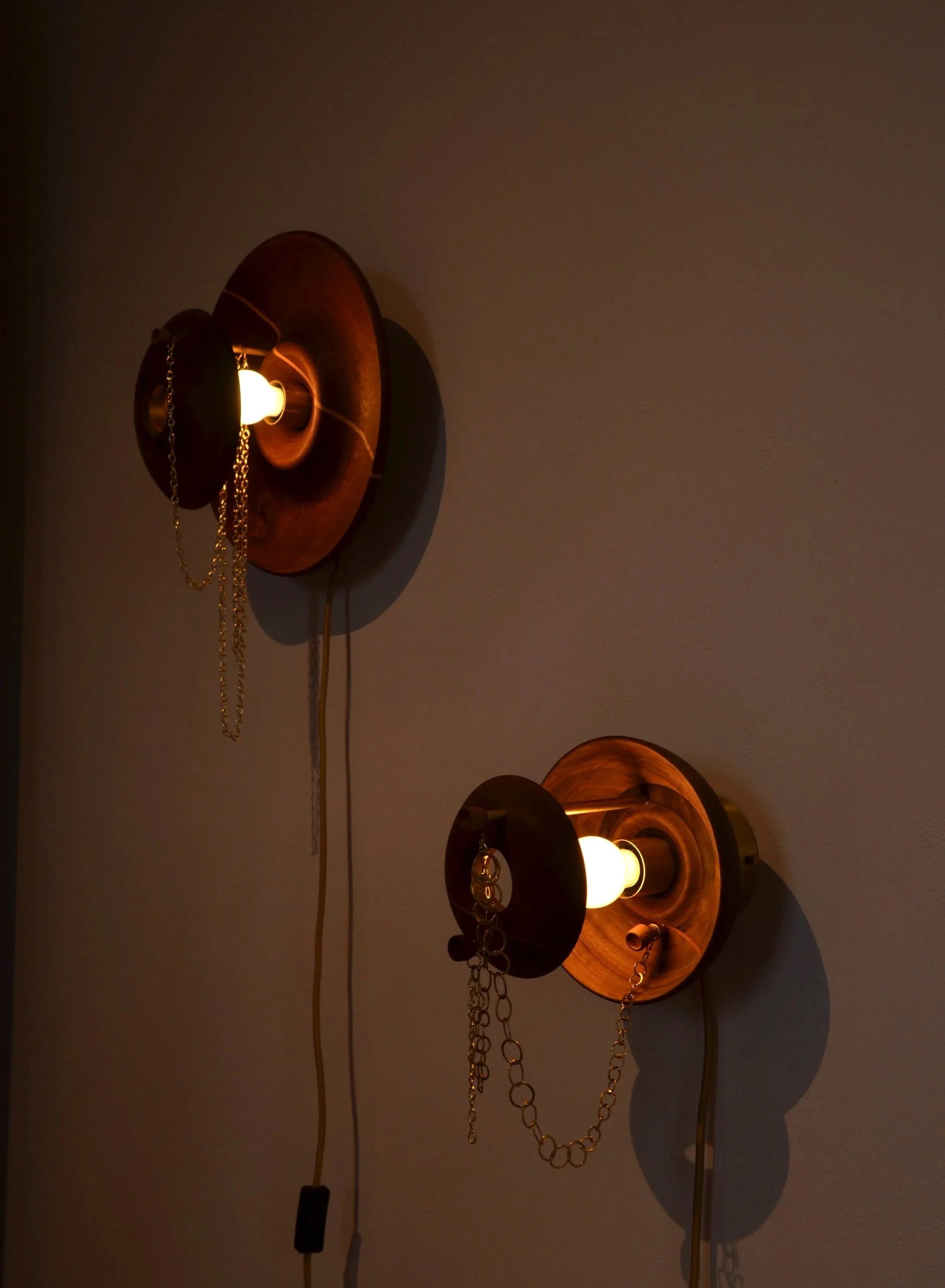
I think about what a person anticipates before an interaction, what signals help them understand what is happening, where confusion or anxiety may arise, and what makes a transition feel deliberate rather than abrupt. Across my work, I use narrative, spatial organization, visual hierarchy, atmosphere, and prototyping to shape how people move through an experience over time.

The projects below reflect that approach.
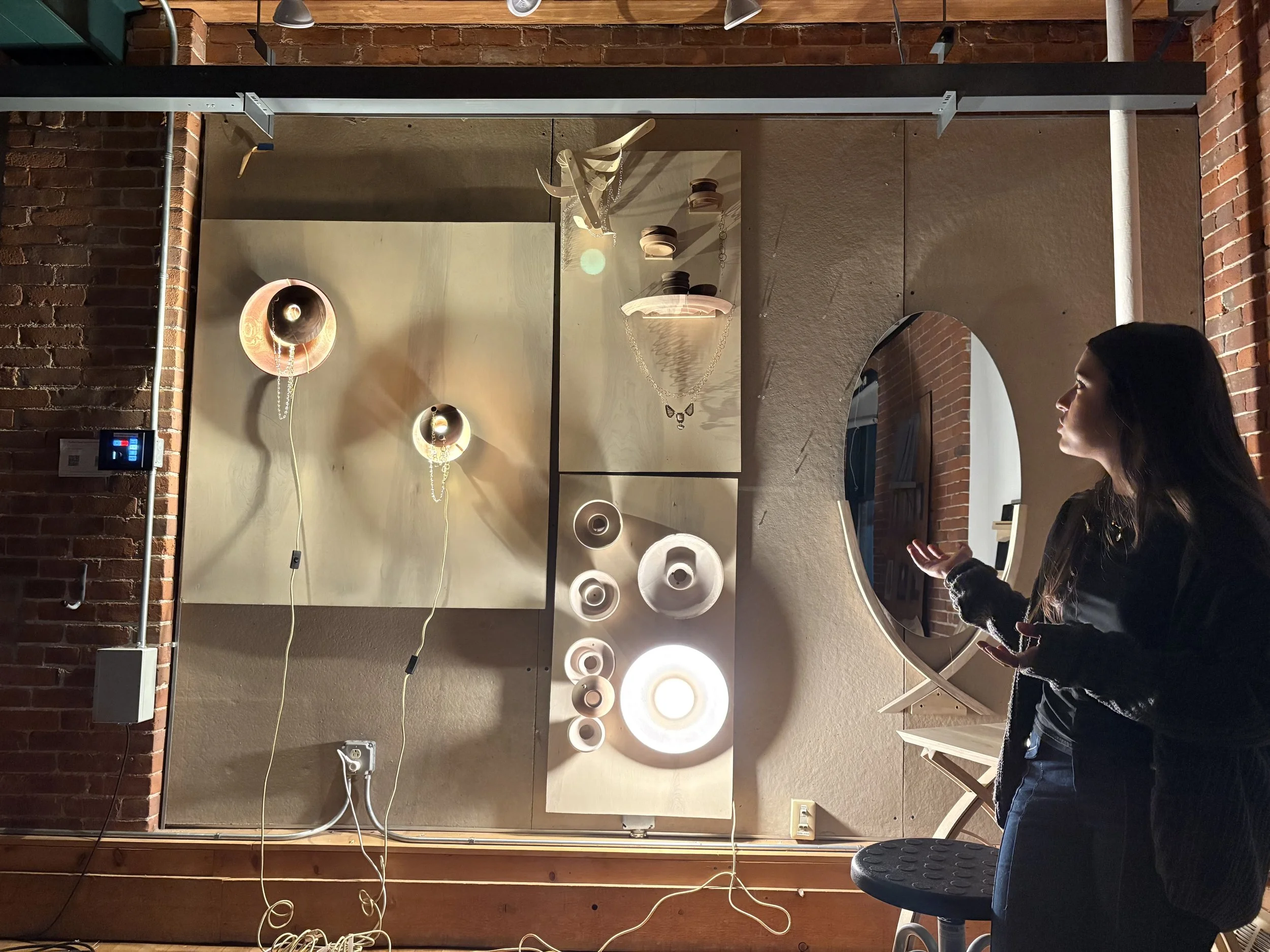
I would bring an interdisciplinary perspective grounded in physical experience, visual communication, narrative, and human behavior.

I am particularly interested in the moment when an interaction crosses from the screen into real life: how the user is prepared, what they expect, how their attention is directed, and what makes the transition feel reassuring, surprising, or delightful.

Spool’s onboarding experience is an opportunity to establish the emotional language of a new kind of interaction. That is the kind of open-ended design problem I want to help shape.